





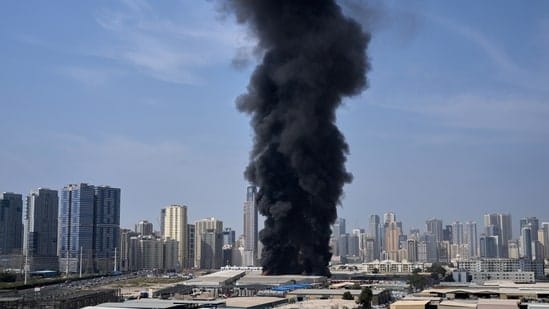
Blasts in Dubai, Abu Dhabi, Doha, Sirens in Tel Aviv as Iran Strikes Continue
A dramatic escalation in Middle East tensions unfolded as explosions were reported across Dubai, Abu Dhabi, and Doha, while air raid sirens echoed across Tel Aviv and other parts of Israel. The developments mark one of the most serious regional flare ups in recent years, drawing global attention and raising fears of a broader conflict that could reshape geopolitical dynamics across the Gulf and beyond.
Residents across the United Arab Emirates described hearing powerful blasts late at night, with flashes visible in the sky as air defense systems intercepted incoming projectiles. In Doha, similar scenes were reported as defensive measures were activated to counter aerial threats. Meanwhile in Israel, sirens sent millions of civilians rushing into shelters as authorities warned of missile trajectories headed toward central regions.
Explosions Across the Gulf
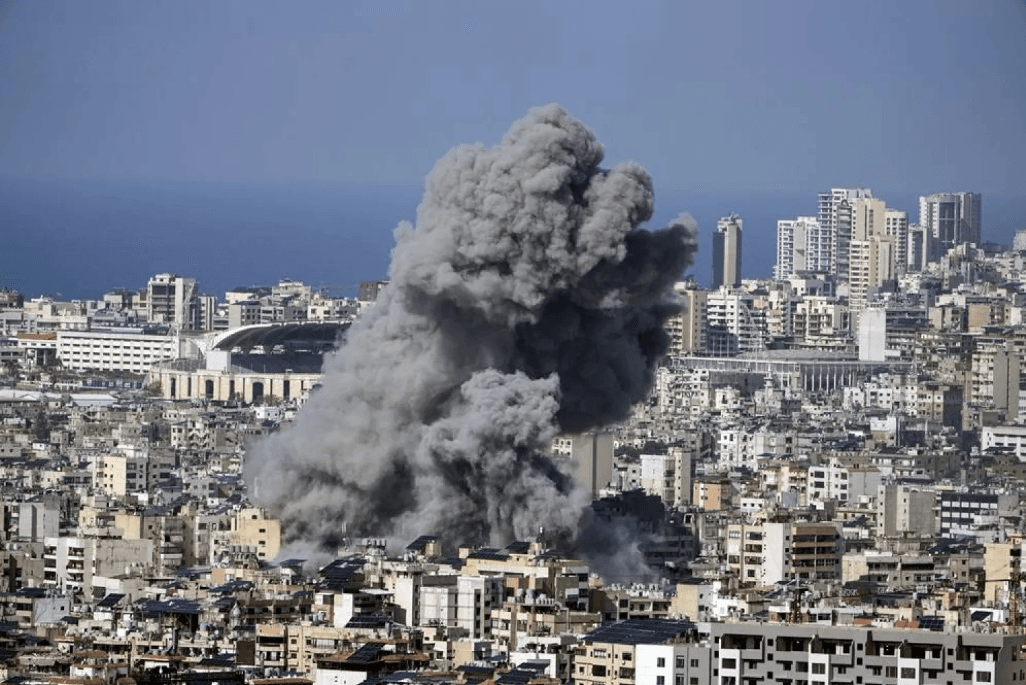
In Dubai, witnesses reported multiple loud detonations followed by plumes of smoke visible from several neighborhoods. Videos circulating on social media showed streaks of light cutting across the night sky before bright flashes illuminated the horizon. Authorities later confirmed that air defense systems were activated to intercept missiles and drones approaching Emirati airspace.
Abu Dhabi experienced similar scenes, with emergency services deployed across parts of the capital as precautionary measures. Officials stated that most incoming threats were successfully neutralized before reaching critical infrastructure. However, debris from intercepted projectiles reportedly caused minor fires and structural damage in certain areas.
Doha also reported blasts linked to aerial interceptions. Residents described hearing repeated booms overhead, followed by sirens and emergency alerts issued through mobile networks. While authorities emphasized that security forces maintained control of the situation, the psychological impact of the sudden escalation was evident among civilians.
Sirens in Tel Aviv
In Israel, air raid sirens sounded across Tel Aviv and surrounding regions as missile alerts were triggered. The Israeli military confirmed that defensive systems were deployed in response to launches believed to originate from Iranian territory or allied forces. Interception systems engaged multiple targets, lighting up the night sky as residents took shelter.
Public transportation temporarily halted in some areas while schools and public institutions were placed on alert. Emergency services were positioned strategically across major cities to respond to potential impacts. Although initial reports indicated limited structural damage, authorities warned that further waves of attacks could not be ruled out.
Background to the Escalation
The current hostilities are rooted in long standing tensions between Iran and Israel, compounded by broader strategic rivalries involving Gulf states and international powers. Disputes over regional influence, military presence, and security alliances have contributed to a fragile environment in which even minor incidents can escalate rapidly.
Recent military operations in contested territories intensified rhetoric on all sides. Statements from Tehran signaled readiness to respond forcefully to perceived aggression, while Israeli officials reaffirmed their commitment to defend national security. Gulf nations, many of which host strategic infrastructure and international business hubs, found themselves caught in the expanding confrontation.
Impact on Civilian Life
For residents of Dubai, Abu Dhabi, and Doha, the events disrupted what are typically considered among the safest and most stable cities in the region. Airports implemented temporary suspensions and flight diversions as airspace safety became a concern. Travelers faced delays and uncertainty, with thousands stranded as airlines reassessed routes.
In Israel, the repeated activation of sirens revived memories of previous conflicts. Families moved quickly into reinforced rooms and shelters, following emergency protocols drilled over decades. Businesses closed early in certain districts, and public gatherings were discouraged until further notice.
The psychological toll of such incidents cannot be understated. Sudden explosions and warning alarms create widespread anxiety, particularly among children and vulnerable populations. Counseling services and emergency hotlines reported increased calls as communities sought reassurance and guidance.
Regional Security Concerns
Security analysts warn that the expansion of strikes beyond immediate conflict zones represents a significant shift in strategy. By targeting or threatening cities across the Gulf, the confrontation risks drawing additional actors into the crisis. The Gulf region hosts critical energy infrastructure that supplies global markets, making stability there essential for international economic security.
Maritime routes through key waterways remain under close surveillance as naval forces heighten readiness. Energy markets reacted swiftly to the news, with oil prices experiencing volatility amid fears of supply disruptions. Financial markets across Asia and Europe reflected investor concern over potential prolonged instability.
International Reactions
World leaders called for restraint and urged diplomatic engagement to prevent further escalation. Several governments issued travel advisories for the region, advising citizens to remain vigilant and follow local authority instructions. International organizations expressed concern about civilian safety and the potential humanitarian consequences of a sustained conflict.
Diplomatic channels were reportedly activated behind the scenes, with mediators attempting to de escalate tensions. Observers noted that the interconnected nature of alliances in the Middle East makes conflict containment particularly challenging.
Airspace and Economic Disruption
Major aviation hubs in Dubai, Abu Dhabi, and Doha serve as global transit centers connecting Europe, Asia, Africa, and the Americas. Temporary airspace restrictions created ripple effects worldwide, leading to rerouted flights and logistical complications. Airlines faced operational challenges as they balanced passenger safety with schedule demands.
Tourism, a major economic pillar for the UAE and Qatar, also faced immediate impact. Hotels reported cancellations and inquiries from concerned travelers. Authorities worked swiftly to reassure the public that security measures were in place and that infrastructure remained largely intact.
Military Posture and Preparedness
Defense forces across the region elevated alert levels in response to the strikes. Surveillance systems, missile defenses, and rapid response units were activated to deter further attacks. Military spokespersons emphasized readiness while reiterating commitments to protect civilian populations.
Experts noted that modern air defense systems are designed to intercept a range of aerial threats, from ballistic missiles to drones. However, the scale and coordination of attacks play a critical role in determining effectiveness. Continued exchanges could test the resilience of even advanced defense networks.
Human Stories Behind the Headlines
Amid the geopolitical analysis and strategic calculations, individual stories emerged. Families in Dubai described watching interceptions from apartment balconies before quickly moving indoors. In Tel Aviv, parents comforted children awakened by sirens. In Doha, workers in industrial districts paused operations as alarms sounded overhead.
These personal experiences highlight the shared vulnerability felt across borders. Regardless of political alignment, ordinary citizens bear the brunt of uncertainty during times of crisis.
Potential Paths Forward
Analysts suggest that the coming days will be critical in determining whether the conflict expands or stabilizes. Diplomatic outreach, back channel negotiations, and international pressure may influence decisions taken by key actors. A measured response could prevent further civilian harm, while miscalculations risk intensifying hostilities.
Regional stability depends not only on military deterrence but also on political dialogue. Confidence building measures and transparent communication may reduce the likelihood of unintended escalation.
Conclusion
The blasts in Dubai, Abu Dhabi, and Doha, alongside sirens in Tel Aviv, underscore a volatile moment in Middle Eastern geopolitics. While air defenses limited large scale destruction, the events serve as a stark reminder of how quickly tensions can spill across borders. The world now watches closely as leaders navigate a delicate balance between deterrence and diplomacy.
For millions across the region, the immediate priority remains safety and stability. As authorities assess damage and prepare for potential further developments, hopes center on de escalation and a return to calm. The unfolding situation continues to evolve, with profound implications for regional security, global markets, and the broader international order.