








Kerala High Court Refuses to Entertain Fresh Plea on The Kerala Story 2 – Goes Beyond
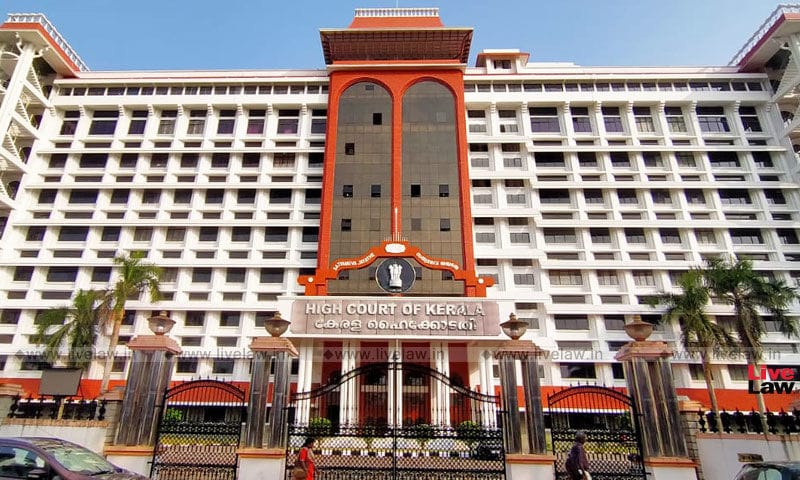
The Kerala High Court has declined to entertain a fresh petition seeking action against the upcoming film The Kerala Story 2 – Goes Beyond. The decision has once again placed the controversial film franchise at the center of public debate, reigniting discussions on artistic freedom, legal intervention in cinema, and the role of courts in matters related to film certification and expression.
The petition filed before the High Court reportedly questioned the content and intent of the sequel to the highly debated film The Kerala Story, which previously generated widespread political and social discussions across India. However, the court refused to consider the fresh plea, stating that the matter did not warrant judicial interference at this stage.
Background of the Controversy
The first film in the franchise, The Kerala Story, sparked intense nationwide debate after its release. The film addressed sensitive themes related to religious conversion and radicalization, which triggered strong reactions from various political groups, activists, and members of the public.
Several petitions had previously been filed in different courts seeking bans or restrictions on the film. Critics argued that the movie portrayed certain communities in a controversial manner, while supporters defended it as an exercise of artistic freedom and freedom of expression.
Despite the controversy, the film received certification from the Central Board of Film Certification (CBFC) and was allowed to be screened in theaters across the country. Courts had earlier emphasized that censorship decisions largely fall under the authority of the certification board rather than the judiciary.
Fresh Petition Before the Kerala High Court
In the latest development, a new petition was filed before the Kerala High Court concerning the sequel titled The Kerala Story 2 – Goes Beyond. The petitioner reportedly requested the court to intervene and examine the alleged implications of the film’s content before its release.
According to reports, the petition raised concerns that the sequel might continue themes that could potentially affect social harmony. The petitioner urged the court to prevent the release or take steps to review the film in advance.
However, the High Court refused to entertain the petition, noting that the matter had already been addressed in previous legal proceedings related to the earlier film. The court indicated that there was no fresh legal basis to justify judicial intervention.
Court’s Observations
While declining to consider the petition, the Kerala High Court reportedly observed that courts must be cautious when dealing with matters related to artistic works such as films. Judges emphasized that film certification is primarily the responsibility of the Central Board of Film Certification.
The court also reiterated a principle often highlighted in similar cases—that creative works should not face unnecessary restrictions unless there is clear evidence that they violate laws or pose an immediate threat to public order.
Legal experts say that the court’s stance reflects the broader judicial approach in India, where courts generally avoid interfering with films that have received certification from the relevant regulatory authorities.
Freedom of Expression vs Public Sensitivity
The controversy surrounding The Kerala Story franchise highlights an ongoing debate in India between freedom of expression and concerns about social sensitivity. Films dealing with religious, political, or cultural themes often attract scrutiny from various groups.
Supporters of artistic freedom argue that cinema is a medium of storytelling and should not be restricted by political or ideological disagreements. They believe filmmakers should have the liberty to explore complex and controversial subjects.
On the other hand, critics argue that films addressing sensitive topics must be handled responsibly to avoid misinformation or the potential to create social divisions.
Legal Framework for Film Certification in India
In India, films must receive certification from the Central Board of Film Certification before being publicly exhibited. The board reviews films and determines whether they should receive a U (Universal), UA (Parental Guidance), A (Adults Only), or other certification categories.
If a film receives certification from the board, courts usually intervene only in exceptional circumstances. This approach aims to balance freedom of expression with regulatory oversight.
Previous legal cases related to controversial films have established that once a film is certified, it generally should be allowed to release unless there are extraordinary legal concerns.
Political and Public Reactions
The original The Kerala Story film triggered significant political reactions across India. Different political parties expressed contrasting views about the film’s narrative and message.
Some leaders praised the film for highlighting issues they believed deserved attention, while others criticized it for allegedly presenting exaggerated or misleading information.
The announcement of a sequel has therefore revived political discussions, especially in Kerala, where the film’s subject matter directly relates to the state’s social and political context.
Impact on the Film Industry
The repeated legal challenges related to films like The Kerala Story illustrate the complex environment in which filmmakers operate in India. Producers and directors often face legal scrutiny when their films address sensitive topics.
However, many industry professionals argue that cinema plays an important role in encouraging public debate and should be allowed to explore controversial issues responsibly.
At the same time, filmmakers increasingly recognize the importance of careful storytelling and fact-checking when dealing with real-world subjects.
Future of the Sequel
With the Kerala High Court refusing to entertain the fresh petition, the legal hurdle related to this particular plea appears to have been removed. However, it remains possible that additional petitions or legal challenges could arise as the film moves closer to release.
The producers of The Kerala Story 2 – Goes Beyond have not yet released detailed information about the storyline or release timeline, but the project is already attracting significant public attention due to the controversy surrounding the original film.
Conclusion
The Kerala High Court’s decision to refuse the fresh plea regarding The Kerala Story 2 – Goes Beyond underscores the judiciary’s cautious approach toward intervening in matters related to artistic expression. By declining to entertain the petition, the court reaffirmed the principle that film certification decisions primarily fall under the jurisdiction of regulatory authorities rather than courts.
As debates about cinema, politics, and freedom of expression continue in India, the discussion surrounding this film franchise reflects broader questions about how society balances creative freedom with public sensitivity. Whether the sequel will generate the same level of controversy as the original film remains to be seen, but it is clear that the topic will continue to spark conversations across the country.