









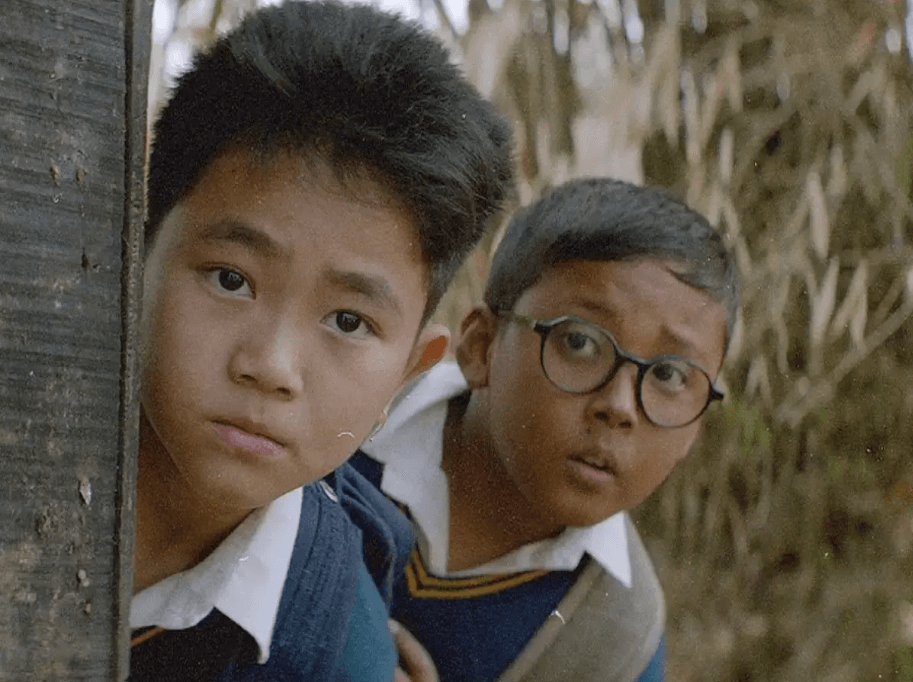
Boong Movie Review: A Child’s Search For His Father Turns Into a Moving Cinematic Gem
The film Boong arrives as a quiet yet powerful cinematic experience that reminds audiences why intimate storytelling can often leave a deeper emotional impact than big-budget spectacle. At its core, the movie explores the innocent yet painful journey of a child searching for his missing father. What begins as a simple quest gradually transforms into a heartfelt story about family, loss, hope, and the resilience of the human spirit. Through delicate storytelling, powerful performances, and visually rich cinematography, the film creates an emotional landscape that stays with the viewer long after the credits roll.
Unlike conventional mainstream films that rely heavily on dramatic twists and action sequences, Boong focuses on emotional depth and character development. The narrative unfolds patiently, allowing audiences to connect with the protagonist’s feelings and motivations. The child at the center of the story represents innocence and determination, embodying a universal desire to reunite with loved ones. As the story progresses, the film reveals layers of social realities, family dynamics, and the emotional struggles faced by individuals separated from those they love.
Plot Overview
The story revolves around a young boy who grows up with a lingering absence in his life — the absence of his father. While most children around him enjoy the comfort of a complete family, the protagonist lives with unanswered questions and a silent longing. Determined to find the truth about his father’s disappearance, he embarks on a personal journey that gradually becomes both emotional and transformative.
The boy’s search takes him through different places and encounters with people who either help him understand his past or complicate his journey further. Along the way, the film portrays the harsh realities faced by many families who experience separation due to migration, economic pressures, or social circumstances. Yet, despite these challenges, the film maintains a tone of hope and perseverance.
What makes the plot particularly compelling is its simplicity. Rather than overwhelming the viewer with dramatic conflicts, the story focuses on the emotional evolution of the child. Every step in his journey reveals something new — about his father, about the people around him, and about himself.
Powerful Central Performance
The heart of Boong lies in the extraordinary performance delivered by the child actor playing the protagonist. His portrayal captures the delicate balance between innocence and emotional maturity. Through subtle facial expressions, quiet moments of reflection, and bursts of determination, he convincingly portrays a young boy struggling to understand a complicated world.
Child performances in cinema can sometimes feel artificial or exaggerated, but in this film the performance feels natural and deeply authentic. The young actor carries the emotional weight of the narrative with remarkable ease. His ability to communicate vulnerability without excessive dialogue allows audiences to feel every moment of his journey.
Supporting actors also contribute significantly to the film’s emotional strength. Characters representing neighbors, friends, and community members provide context to the protagonist’s life. Their interactions reveal the social environment surrounding the child and highlight the complexities of family relationships.
Direction and Storytelling Style
The director of Boong demonstrates a clear understanding of restrained storytelling. Instead of relying on dramatic spectacle, the film embraces a slow and thoughtful narrative style. This approach allows viewers to absorb the emotional nuances of each scene.
The director carefully constructs moments that feel genuine and relatable. Small gestures — such as a child waiting at a doorway, observing families around him, or holding onto memories of his father — become powerful storytelling tools. These moments may seem simple, but they carry emotional significance that gradually builds throughout the film.
The pacing may feel slow for viewers accustomed to fast-moving commercial films, but this deliberate rhythm is precisely what gives the story its emotional impact. By allowing scenes to breathe, the director invites audiences to step into the protagonist’s world and experience his emotions firsthand.
Cinematography and Visual Language
Visually, Boong is a beautifully crafted film. The cinematography plays a crucial role in conveying the emotional atmosphere of the story. Wide landscape shots reflect the child’s sense of loneliness and search for belonging, while close-up shots capture intimate emotional moments.
The camera often lingers on everyday environments — streets, homes, fields, and community spaces — creating a realistic backdrop that grounds the story in authenticity. Natural lighting and subtle color tones enhance the film’s emotional mood, reinforcing the themes of nostalgia and longing.
Through visual storytelling, the film also highlights the contrast between the innocence of childhood and the complexities of the adult world. The child protagonist often appears small within large surroundings, symbolizing his vulnerability yet also his courage in facing life’s uncertainties.
Music and Emotional Tone
The film’s background score is gentle and emotionally resonant. Rather than dominating scenes, the music quietly complements the narrative. Soft instrumental melodies accompany the child’s journey, enhancing moments of hope, sadness, and discovery.
In several scenes, silence itself becomes a powerful storytelling device. The absence of music allows viewers to fully absorb the emotional tension of certain moments. This careful balance between music and silence strengthens the film’s ability to connect with audiences on a deeper level.
Themes Explored in the Film
Boong explores several important themes that resonate with audiences across cultures. At its core, the film examines the universal bond between parent and child. The protagonist’s search for his father reflects a deep emotional need for connection, identity, and belonging.
The film also touches on broader social realities. Issues such as migration, economic struggle, and family separation appear subtly throughout the narrative. These elements provide context for the father’s absence and highlight the challenges faced by many families in contemporary society.
Another key theme is resilience. Despite facing emotional pain and uncertainty, the child refuses to abandon hope. His determination to find answers demonstrates the strength of the human spirit, even at a young age.
Emotional Impact on the Audience
One of the most remarkable aspects of Boong is its ability to evoke genuine emotion without relying on melodrama. The film does not manipulate viewers with exaggerated drama or forced sentimentality. Instead, it presents situations honestly and allows emotions to emerge naturally.
As audiences watch the child navigate his journey, they begin to reflect on their own relationships and experiences. The story becomes more than just a narrative about one boy searching for his father; it becomes a meditation on love, absence, and the importance of family connections.
By the time the film reaches its conclusion, viewers may find themselves deeply moved. The emotional resonance of the story lingers long after the film ends, demonstrating the power of thoughtful storytelling.
Strengths of the Film
The greatest strength of Boong lies in its sincerity. Every aspect of the film — from performances to cinematography — feels grounded in authenticity. The narrative does not attempt to impress through spectacle; instead, it focuses on emotional truth.
The child actor’s performance stands out as the centerpiece of the film. His portrayal adds credibility and emotional depth to the story. Additionally, the director’s patient storytelling approach allows the narrative to unfold in a meaningful way.
The film’s visual style and subtle musical score further enhance the storytelling. Together, these elements create a cohesive cinematic experience that feels both intimate and powerful.
Areas Where the Film May Feel Slow
While the film’s slow pacing contributes to its emotional depth, it may not appeal to all audiences. Viewers who prefer fast-paced storytelling or dramatic plot twists might find certain sections of the film too quiet or contemplative.
However, for audiences willing to engage with its reflective style, the film offers a rewarding experience. Its deliberate pacing allows for deeper emotional engagement and thoughtful storytelling.
Final Verdict
Boong is a touching cinematic experience that demonstrates the power of simple storytelling. By focusing on a child’s emotional journey, the film captures universal themes of family, love, and hope. Its sincere performances, beautiful cinematography, and thoughtful direction combine to create a memorable film that resonates on a deeply human level.
In an era where many films prioritize spectacle and commercial appeal, Boong stands out as a reminder that cinema can still be a medium for emotional storytelling and meaningful reflection. For viewers seeking a heartfelt and moving film, this cinematic gem is certainly worth watching.
Frequently Asked Questions (FAQ)
What is the main story of Boong?
The film follows a young boy who sets out on an emotional journey to find his missing father. Along the way, he encounters different people and experiences that help him understand the meaning of family, resilience, and hope.
Is Boong based on a true story?
While the film may not be directly based on a specific real-life event, its themes are inspired by real social situations such as family separation, migration, and the emotional struggles faced by children growing up without one parent.
What makes Boong different from typical films?
Unlike many commercial movies, Boong focuses on emotional storytelling and character development rather than action or dramatic spectacle. Its quiet narrative style and authentic performances create a deeply personal cinematic experience.
Is Boong suitable for family audiences?
Yes, the film is suitable for family audiences. Its themes of love, family bonds, and resilience make it a meaningful watch for viewers of different age groups.
Why is Boong receiving positive reviews?
Critics and audiences appreciate the film for its sincere storytelling, powerful child performance, and emotional depth. Its ability to convey complex emotions through simple moments has made it a standout cinematic work.