







IAF’s Su-30 Fighter Jet Goes Missing in Assam; Likely Crashed in Karbi Anglong – Full Report and Analysis
A major incident involving the Indian Air Force (IAF) has drawn nationwide attention after a Sukhoi Su-30MKI fighter aircraft reportedly went missing from radar while flying over Assam. The aircraft was on a routine sortie when contact was lost with ground control on the evening of March 5, 2026. Initial reports suggest that the fighter jet may have crashed in the hilly terrain of Karbi Anglong district in Assam, triggering a large-scale search and rescue operation by the Indian Air Force and local authorities.
The incident occurred shortly after the aircraft took off from the Jorhat Air Force Station. According to defence officials, the aircraft lost radar contact around 7:42 PM while flying over the mountainous region of Karbi Anglong. Authorities immediately initiated emergency protocols and deployed search teams to locate the missing aircraft and determine the fate of the crew members on board. Early reports from local villagers indicated that they heard a loud explosion in the region around the same time the aircraft disappeared from radar screens.
What Happened: Timeline of Events
According to official statements released by defence authorities, the Sukhoi Su-30MKI aircraft took off from the Indian Air Force base at Jorhat in Assam as part of a routine operational sortie. The mission was reportedly part of regular training operations conducted in the region. However, during the flight, communication between the aircraft and ground control suddenly ceased.
Shortly after losing contact with the aircraft, the Indian Air Force confirmed that the fighter jet had become “overdue,” a term used when an aircraft fails to return to base or maintain scheduled communication with air traffic control. Defence officials said that radar contact was lost around 7:42 PM while the aircraft was flying over the Karbi Anglong district. :contentReference[oaicite:1]{index=1}
As soon as the aircraft was reported missing, search and rescue operations were launched in the area. The Indian Air Force deployed teams along with helicopters and coordination units to locate the aircraft. Local administration and security forces were also involved in the search efforts.
Possible Crash in Karbi Anglong
Early reports suggested that the aircraft may have crashed in the forested hills of Karbi Anglong district. The area is known for its rugged terrain, dense forests, and difficult accessibility, which makes search operations challenging. According to reports from residents of nearby villages, a loud explosion was heard around the time the aircraft disappeared from radar.
Some local sources indicated that the crash may have occurred near Rangkhelan village in the Nilip area under the Chakihola region of Karbi Anglong. Witnesses claimed that they saw smoke rising from the hills after hearing the explosion. However, authorities have not officially confirmed the exact crash site and investigations are ongoing.
Due to the remote nature of the terrain, search operations require specialized equipment, helicopters, and ground teams to reach the suspected crash area. Rescue teams are currently scanning large forest areas to locate wreckage and determine the situation regarding the pilots.
Search and Rescue Operation
The Indian Air Force immediately activated its search and rescue (SAR) procedures following the disappearance of the aircraft. Multiple teams were dispatched to the region, including air surveillance units and ground rescue teams. Helicopters were deployed to scan the forested region from the air while ground personnel moved into the hills to locate possible wreckage.
Search operations are particularly difficult in the Karbi Anglong district due to its mountainous terrain and thick forests. Visibility can be limited, especially during nighttime operations. Despite these challenges, rescue teams are working around the clock to locate the missing aircraft and ensure the safety of the crew.
Local police, disaster response teams, and administrative officials have joined the operation. Coordination between the Air Force and local authorities is crucial for managing the large search area and ensuring quick access to any potential crash site.
About the Sukhoi Su-30MKI Fighter Jet
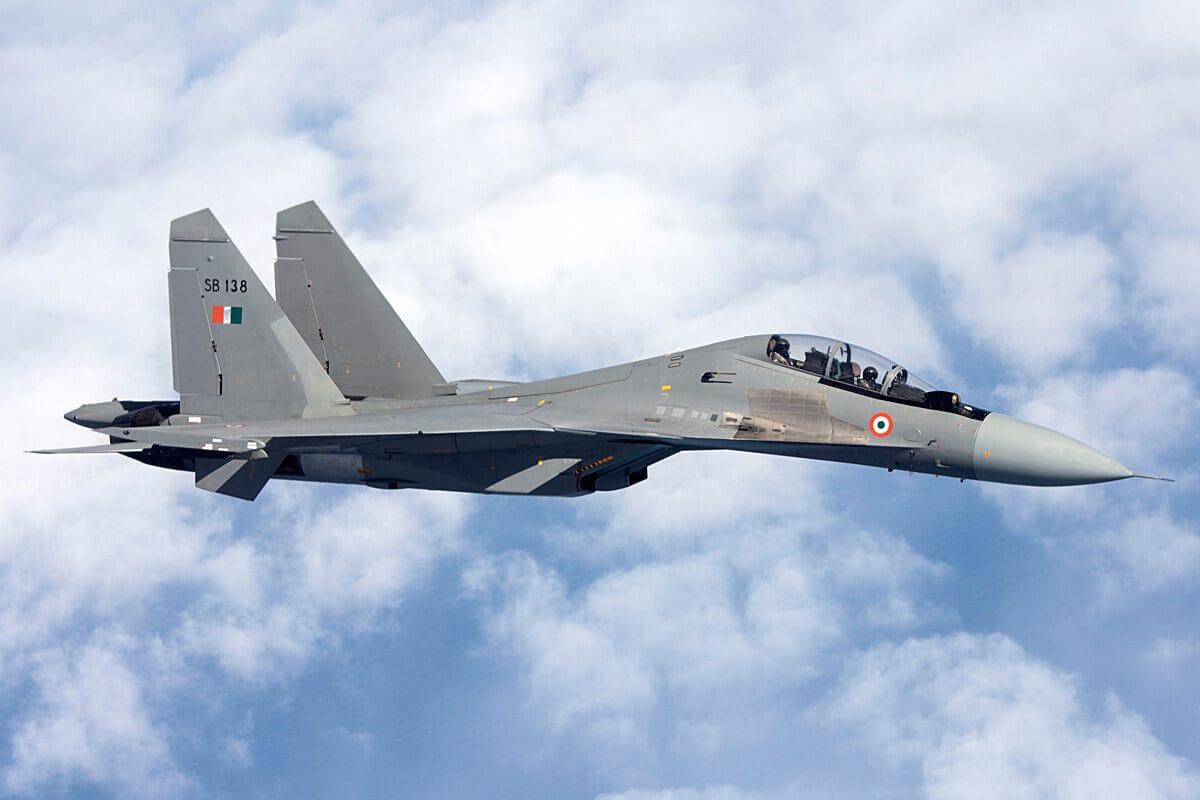
The Sukhoi Su-30MKI is one of the most advanced fighter aircraft in the Indian Air Force fleet. Developed jointly by Russia and India, the aircraft is a multirole air superiority fighter capable of carrying out air-to-air combat as well as ground attack missions. The aircraft is equipped with advanced avionics, long-range radar systems, and powerful engines that allow it to perform complex combat maneuvers.
The Su-30MKI is considered the backbone of India’s fighter fleet and plays a critical role in maintaining the country’s air defense capabilities. The aircraft is capable of operating in diverse combat environments and has been extensively used in military exercises and strategic missions.
The Indian Air Force currently operates a large fleet of Su-30MKI aircraft. The fighter jet is known for its long range, heavy payload capacity, and ability to carry advanced missiles and precision weapons. Plans are also underway to upgrade the aircraft with new radar systems, electronic warfare equipment, and modern avionics to extend its operational life beyond 2055. :contentReference[oaicite:2]{index=2}
Strategic Importance of the Northeast Region
The northeastern region of India holds significant strategic importance for the Indian Air Force. The region shares international borders with several countries, including China, Myanmar, Bangladesh, and Bhutan. Due to its geographic location, the Indian Air Force maintains several bases in the region to ensure rapid response capabilities and strengthen national security.
Airbases such as Jorhat, Tezpur, and Chabua play a crucial role in maintaining air surveillance and defense preparedness along India’s eastern frontier. Fighter jets stationed in the region regularly conduct training sorties and operational patrols to maintain readiness and respond quickly to potential threats.
The disappearance of a fighter aircraft in such a strategically important region raises serious concerns and underscores the importance of swift search and rescue operations.
Challenges of Flying Over Mountainous Terrain
Flying over mountainous regions like Karbi Anglong presents several challenges for military aircraft. The terrain is rugged and covered with dense forests, which can make navigation and communication difficult. Weather conditions in the region can change rapidly, including sudden fog, strong winds, and heavy rainfall.
These environmental factors can affect visibility and radar signals, potentially contributing to communication disruptions between aircraft and ground control. In addition, the mountainous landscape can make it difficult for rescue teams to quickly locate crash sites in the event of an accident.
Such challenges highlight the importance of advanced navigation systems and real-time monitoring during military flight operations.
Previous Incidents Involving Su-30MKI Aircraft
Although the Sukhoi Su-30MKI is considered one of the most reliable fighter aircraft in the Indian Air Force fleet, there have been several incidents involving crashes or technical issues over the years. Since the aircraft entered service in 2002, a number of Su-30MKI jets have been lost due to accidents caused by technical faults, human error, or training mishaps.
For example, earlier incidents include crashes during training sorties in Rajasthan, Maharashtra, and Assam. In many cases, pilots were able to eject safely using the aircraft’s emergency ejection system. However, a few incidents have unfortunately resulted in fatalities.
Despite these incidents, the aircraft remains a vital component of India’s air defense strategy. The Indian Air Force continuously upgrades and improves safety measures to ensure operational reliability.
Investigation and Possible Causes
Whenever a military aircraft goes missing or crashes, the Indian Air Force launches a detailed investigation to determine the cause of the incident. Such investigations usually involve technical experts, aviation specialists, and defence analysts who examine multiple factors.
Possible causes that investigators may consider include technical malfunction, engine failure, weather conditions, pilot error, or external factors. The flight data recorder and cockpit voice recorder—commonly known as black boxes—are crucial in determining the exact sequence of events leading to an accident.
Once the crash site is located and wreckage is recovered, investigators will analyze the aircraft components and flight data to understand what went wrong.
Role of Local Communities
Local villagers often play an important role in search and rescue operations following aircraft incidents in remote regions. In many cases, residents are the first to notice unusual events such as explosions, smoke, or falling debris. Their observations can provide valuable information that helps authorities narrow down the search area.
In the case of the missing Su-30MKI jet in Assam, villagers reportedly heard a loud explosion and alerted authorities about possible signs of a crash. Their cooperation with rescue teams is essential for locating the aircraft quickly.
Impact on the Indian Air Force
The loss of a fighter aircraft is always a serious matter for any air force. Apart from the financial cost of the aircraft, the safety of the pilots and crew is the highest priority. Each fighter jet represents years of training, technological investment, and operational capability.
The Indian Air Force maintains strict safety protocols and regularly reviews operational procedures to minimize risks. Incidents like this highlight the inherent dangers of military aviation and the importance of continuous technological upgrades and pilot training.
Nationwide Concern and Support
News of the missing fighter jet has generated widespread concern across India. Citizens, defence analysts, and political leaders have expressed hope for the safety of the pilots and have praised the efforts of the rescue teams working in difficult conditions.
Social media platforms have also been flooded with messages supporting the Indian Air Force and wishing for the safe return of the crew members.
What Happens Next
The immediate priority for the Indian Air Force is to locate the missing aircraft and rescue the crew if possible. Search operations are expected to continue until the crash site is confirmed and the situation is fully understood.
Once the wreckage is located, investigators will begin a detailed inquiry to determine the cause of the incident. The findings of the investigation will help the Indian Air Force improve safety procedures and prevent similar incidents in the future.
Conclusion
The disappearance of the Indian Air Force Sukhoi Su-30MKI fighter jet over Assam is a significant incident that has drawn national attention. With reports suggesting that the aircraft may have crashed in the hills of Karbi Anglong, rescue teams are racing against time to locate the wreckage and determine the fate of the crew.
The incident highlights the risks involved in military aviation, especially in challenging terrains such as the northeastern region of India. While investigations are still underway, the nation remains hopeful that the pilots will be found safe and that authorities will soon uncover the cause of the incident.
As search operations continue, the bravery and dedication of the Indian Air Force personnel involved in the rescue mission stand as a reminder of the commitment and sacrifice required to protect the nation’s skies.