




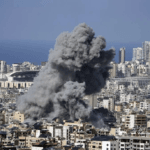





Qatar Airways has temporarily suspended its flight operations following the sudden closure of Qatari national airspace amid escalating regional security tensions. The move has disrupted one of the world’s most important aviation hubs, affecting thousands of passengers and cargo shipments across multiple continents. As a leading global carrier connecting East and West through Doha, the airline’s suspension represents a major interruption in international travel flows.
Reason for Airspace Closure
The airspace closure was implemented as a precautionary safety measure in response to heightened military and security developments in the region. Civil aviation authorities determined that continued commercial flight operations could pose risks to passenger aircraft due to the evolving situation. In such scenarios, aviation regulators prioritize safety above operational continuity, even if that means grounding all traffic temporarily. The decision reflects international aviation protocols designed to prevent civilian aircraft from entering potentially unsafe environments.
Security concerns in conflict-sensitive areas often involve risks such as missile activity, drone operations, or air defense system engagement. Even if commercial aircraft are not direct targets, the unpredictability of military actions can create hazardous conditions in shared airspace. As a result, authorities act swiftly to close affected zones until comprehensive risk assessments confirm that operations can safely resume.
Impact on Passengers
The immediate suspension left thousands of travelers stranded at various stages of their journeys. Passengers scheduled to depart from Doha found flights cancelled, while those in transit through Hamad International Airport were unable to continue to their final destinations. Additionally, inbound flights to Doha from Europe, Asia, Africa, and the Americas were either cancelled or diverted to alternative airports.
Airlines typically activate emergency response procedures during such disruptions. These measures include rebooking passengers on later flights, offering refunds, arranging temporary accommodation, and providing meal vouchers where necessary. However, the scale of the disruption has led to longer waiting times and congested customer support channels. Many travelers have been advised to monitor official airline communication platforms for real-time updates.
Operational Disruptions Across the Network
Qatar Airways operates an extensive global network spanning more than 150 destinations. Because Doha functions as a central transit hub, even a short suspension creates cascading effects worldwide. Aircraft scheduled to land in Doha must be rerouted or grounded at origin airports, disrupting subsequent rotations. Crew assignments also require adjustment, as pilots and cabin crew operate under strict duty time regulations.
The interconnected nature of global aviation means that delays in one region quickly affect operations elsewhere. Codeshare partners and interline agreements further expand the scope of disruption, impacting travelers who may not even be flying directly with Qatar Airways but rely on its network for connections.
Cargo and Supply Chain Effects
Beyond passenger travel, Qatar Airways plays a significant role in global air cargo transportation. Its cargo division handles pharmaceuticals, electronics, perishable goods, and industrial components. The grounding of flights interrupts time-sensitive shipments, potentially affecting supply chains in industries dependent on rapid delivery.
Businesses relying on just-in-time logistics may experience temporary shortages or delays. Freight forwarders are seeking alternative routes through other international hubs, though rerouting can increase costs and transit times. The longer the airspace remains closed, the greater the cumulative impact on global trade flows.
Economic and Industry Consequences
The suspension has financial implications for airlines, airports, and related industries such as hospitality and tourism. Airlines incur costs from grounded aircraft, crew accommodations, and passenger compensation. Airports lose revenue from landing fees, retail operations, and transit services. Tourism-dependent sectors may see short-term declines as travelers postpone or cancel trips.
Insurance premiums and operational costs may also fluctuate during periods of regional instability. Airlines must assess risk exposure carefully and adapt flight planning strategies accordingly. In some cases, longer alternative routes increase fuel consumption and operational expenses.
International Aviation Coordination
Global aviation authorities coordinate closely during airspace closures. Air navigation service providers, defense agencies, and airline operations centers share information to ensure aircraft remain clear of restricted zones. International organizations emphasize standardized procedures to manage such events safely and efficiently.
Decisions to reopen airspace are based on continuous security evaluations. Authorities monitor developments carefully before granting clearance for commercial flights to resume. When reopening occurs, it often happens gradually, with limited corridors restored before full operations return.
Recovery and Resumption Plans
Once authorities determine that conditions are stable, Qatar Airways will begin phased restoration of its network. The process typically involves repositioning aircraft, rescheduling crews, and prioritizing high-demand routes. Clearing passenger backlogs may take several days depending on the duration of the suspension.
Airlines often implement flexible rebooking policies during recovery periods to accommodate affected travelers. Communication transparency plays a crucial role in restoring passenger confidence. The airline has emphasized its commitment to resuming services swiftly once safety clearance is granted.
Historical Context
Airspace closures during geopolitical tensions are not unprecedented. Similar actions have occurred in other regions during periods of conflict or instability. Aviation authorities have consistently prioritized preventive measures to safeguard civilian flights. While such disruptions can be significant, they are generally temporary and resolved once conditions stabilize.
The strategic location of the Middle East amplifies the global impact of closures in this region. As a bridge between continents, Gulf hubs serve as vital connectors for international travel and commerce. Any interruption therefore resonates far beyond regional borders.
Passenger Guidance
Travelers planning journeys through Doha or neighboring regions are advised to verify flight status before heading to airports. Flexible booking options and travel insurance coverage may provide additional protection during uncertain periods. Staying informed through official airline communication channels remains essential.
Although disruptions create inconvenience, aviation authorities and airlines stress that precautionary measures are designed to protect lives. Safety remains the non-negotiable priority guiding every operational decision.
Looking Ahead
The timeline for reopening Qatari airspace depends entirely on evolving security assessments. Industry experts anticipate that operations will resume once authorities confirm that risks have subsided. Until then, airlines will continue monitoring developments and adjusting plans accordingly.
The suspension underscores the vulnerability of global mobility to geopolitical developments. It also demonstrates the aviation industry’s ability to respond rapidly to protect passengers and crews. While uncertainty remains, the coordinated approach among regulators and airlines aims to ensure that when flights return to the skies, they do so under safe and stable conditions.